Your liver works behind the scenes every day—filtering harmful substances, converting nutrients into usable fuel, and supporting digestion. Because it’s so efficient, many people don’t pay attention to liver health until something feels “off.” Most common medications are safe when used correctly, but certain drugs can add extra workload to the liver—especially when mixed with alcohol, supplements, or pre-existing medical conditions. What makes this tricky is that the strain can build gradually without obvious early warnings.
The reassuring part: once you know which medicines deserve extra caution and what subtle signs to watch for, you can take practical steps to reduce risk. There’s also one often-overlooked daily habit near the end that can make a real difference.
Why the Liver Reacts to Medications So Easily
Nearly everything you swallow passes through the liver at some point. After a medication dissolves and enters your bloodstream, it typically travels to the liver, where specialized enzymes break it down.
This is a normal and essential process. However, some medications produce breakdown byproducts that can irritate liver cells—particularly when taken at high doses, used for long periods, or combined with other substances.
Medical literature (including journals such as Hepatology) and guidance from institutions like the National Institutes of Health recognize drug-induced liver injury as a significant cause of sudden liver stress in adults. This doesn’t mean these medications are inherently dangerous—it means they must be used correctly, with the right dosing and appropriate supervision.
Individual factors can also shift risk, including:
- Age
- Alcohol use
- Genetics
- Existing liver disease
- Multiple medications taken at the same time
10 Medications That May Increase Liver Stress
The medicines below have been associated with liver strain in certain circumstances. For most people, they remain safe when taken as directed and monitored when appropriate.
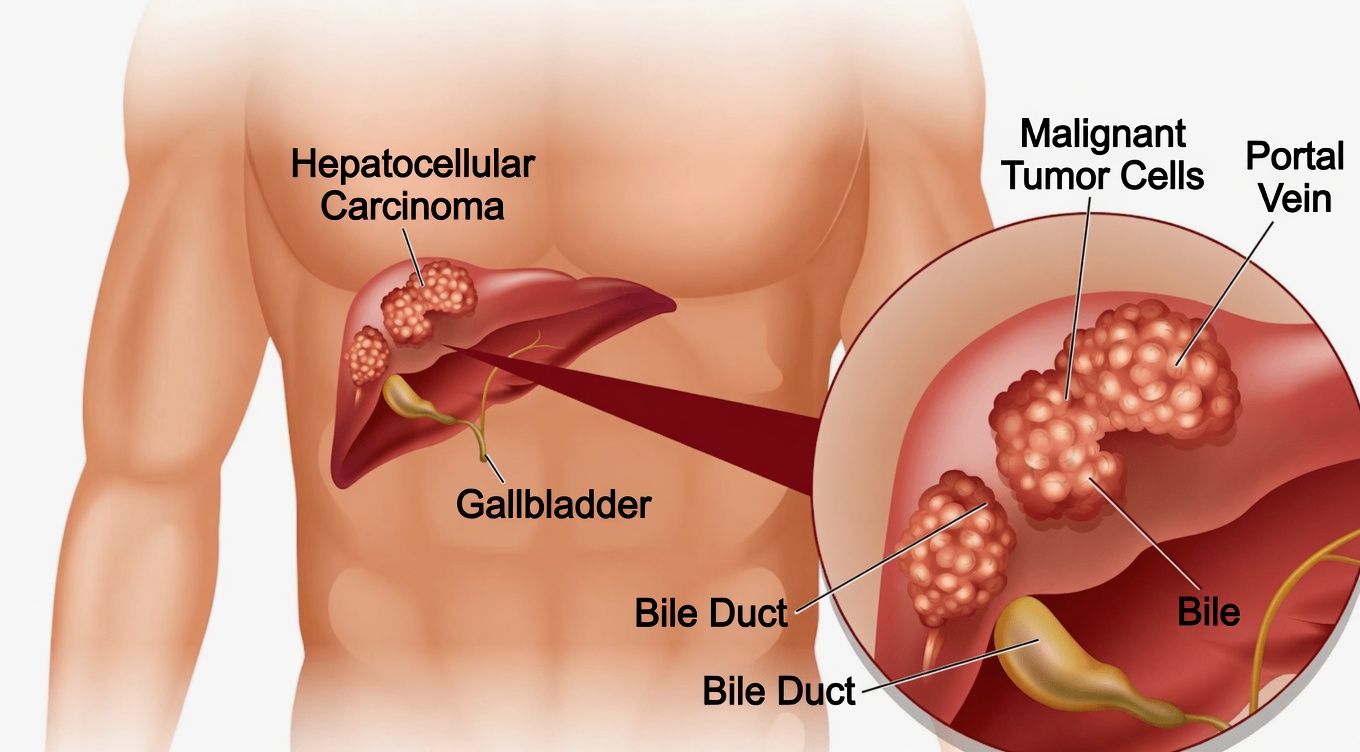
1. Acetaminophen (Paracetamol)
Acetaminophen is widely used for pain relief and fever reduction. At recommended doses, it’s considered safe. Problems can arise when people exceed the maximum dose or combine it with alcohol—both of which can overwhelm the liver’s ability to process it.
It is one of the most commonly reported causes of acute liver stress worldwide.
2. Certain Antibiotics
A small percentage of people experience liver irritation from specific antibiotics, including:
- Amoxicillin-clavulanate
- Isoniazid
In many cases, symptoms and lab changes improve after stopping the drug under medical direction.
3. Statins
Statins are commonly prescribed to help manage cholesterol and reduce cardiovascular risk. Rarely, they can cause elevated liver enzymes.
Because of this, clinicians often check liver function during the early phase of treatment.
4. Nonsteroidal Anti-Inflammatory Drugs (NSAIDs)
Medications such as:
- Ibuprofen
- Naproxen
are popular for pain and inflammation. They’re generally safe, but high doses or prolonged use can raise the likelihood of liver strain in susceptible individuals.
5. Oral Antifungal Medications
Some antifungal drugs taken by mouth—such as ketoconazole and fluconazole—have been linked to liver enzyme changes. For longer treatment courses, monitoring may be advised.
6. Anti-Seizure Medications
Certain seizure medications, including valproic acid and phenytoin, can affect liver function in some patients—often within the first months of therapy.
7. Methotrexate
Methotrexate is used for autoimmune diseases and some cancers. Over time, it may affect liver tissue, which is why regular blood work is typically standard practice during treatment.
8. Herbal Supplements
This surprises many people: “natural” does not automatically mean “risk-free.”
Some herbal products—such as kava and high-dose green tea extract—have been connected to liver injury in case reports. Supplements can also interact with prescription drugs in ways that increase liver workload.
9. Tuberculosis (TB) Medications
TB treatment often includes medicines such as isoniazid and rifampin, which can raise liver enzyme levels. Healthcare teams commonly monitor liver tests during therapy due to this known risk.
10. Some Antidepressants
A small number of antidepressants have been associated with mild liver enzyme elevations. The overall risk is low, but it’s still worth knowing—especially if symptoms appear after starting a new prescription.
Key takeaway: most people use these medications without serious complications. The difference is usually made by correct dosing, avoiding risky combinations, and responding early to warning signs.
Early Signs Your Liver May Be Under Strain
The liver doesn’t always “complain” loudly at first. That’s why mild changes—especially after starting a new medication—shouldn’t be ignored.
Common early symptoms
- Ongoing fatigue that doesn’t improve with rest
- Mild nausea or decreased appetite
- Discomfort or pressure in the upper-right abdomen
- Dark urine
- Pale or clay-colored stools
These symptoms can have many causes, not only liver stress. Still, if they show up soon after a medication change, contacting a healthcare professional is a wise step.
More noticeable symptoms
More advanced signs may include:
- Yellowing of the skin or eyes (jaundice)
- Persistent itching
- Swelling in the legs
- Easy bruising
Clinical research also shows that blood tests (elevated liver enzymes) may detect changes before obvious symptoms appear, which is why monitoring can be so helpful for certain medications.
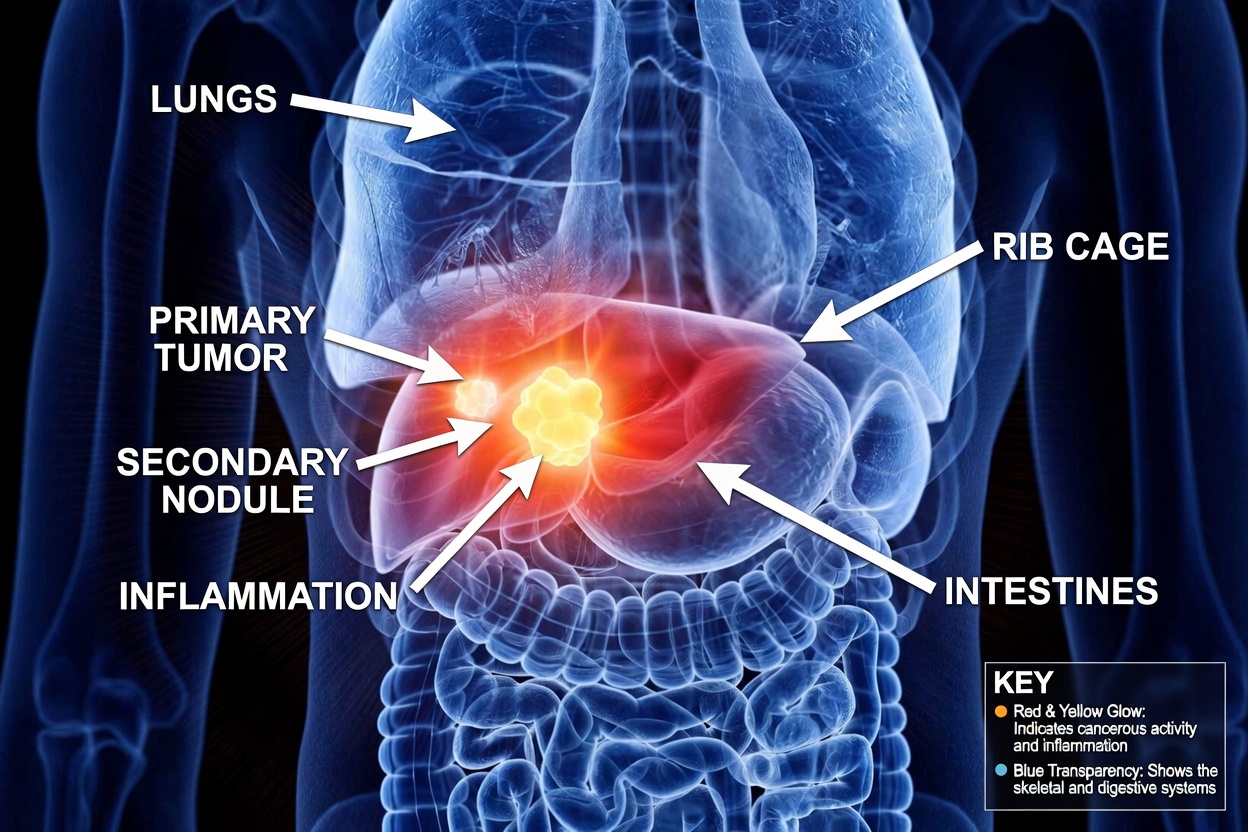
Who Faces a Higher Risk of Medication-Related Liver Stress?
Some groups are more vulnerable to liver strain from drugs and supplements, including:
- People who drink alcohol regularly
- Adults over 65
- Individuals with existing liver conditions
- Those taking several medications at once
- People using high-dose supplements
Combination effects matter. A medication that is safe on its own can become risky when mixed improperly with alcohol, other drugs, or certain supplements.
Practical Ways to Protect Your Liver (Without Extreme Measures)
You don’t need drastic detox programs to support liver health. Focus on consistent, evidence-aligned habits:
1. Read medication labels carefully
Follow dosing instructions exactly. Be especially cautious about combining products that share the same active ingredient (for example, multiple cold/flu medicines that contain acetaminophen).
2. Reduce or avoid alcohol while taking medications
Alcohol and many drugs rely on the same liver processing pathways. Lowering alcohol intake reduces competition and strain.
3. Tell your healthcare provider everything you take
Share a complete list of:
- Prescriptions
- Over-the-counter medications
- Vitamins and supplements
- Herbal products
This helps prevent interactions that can amplify liver stress.
4. Get routine blood tests when appropriate
If you’re using medications known to affect the liver, periodic testing can catch early changes long before you feel symptoms.
5. Skip unnecessary supplements
Many people add herbal products without professional input. Even widely marketed “wellness” supplements can affect liver function or interact with prescriptions.
6. Support liver function with daily nutrition
A balanced diet rich in vegetables, fruits, whole grains, and lean protein supports overall metabolic health. Hydration also helps the body’s natural processing systems work efficiently.
Another important factor: maintaining a healthy body weight. Excess body fat is linked with fatty liver changes, which can make the liver more sensitive to medication effects.
Quick Comparison Table: Medication Types and Liver Monitoring
-
Pain relievers with acetaminophen
- Potential impact: higher risk at high doses or when combined
- Monitoring: recommended if long-term use
-
Statins
- Potential impact: rare mild enzyme elevation
- Monitoring: often during early treatment
-
Certain antibiotics
- Potential impact: possible temporary irritation
- Monitoring: sometimes recommended
-
Herbal supplements
- Potential impact: highly variable by product and dose
- Monitoring: advisable with long-term use
This reinforces a central point: risk does not mean something will happen—it means you should stay informed and cautious.
The Overlooked Daily Habit That Can Help
One surprisingly effective habit many people underestimate is consistent hydration paired with balanced nutrition.
When your body is well-hydrated and adequately nourished, liver enzymes generally function more smoothly and metabolic processes tend to stay more stable. Nutrition science suggests that improved metabolic balance can reduce overall liver stress.
It sounds basic, but basic habits repeated daily are often what matter most.
Conclusion
Medications are essential tools in modern healthcare, and the majority are safe when used responsibly. Still, some drugs—and even certain supplements—can increase liver strain, particularly at high doses, with long-term use, or when combined with alcohol and other substances. By understanding which medications require caution, watching for early warning signs, and adopting simple protective habits, you can support your liver and lower unnecessary risk over time.