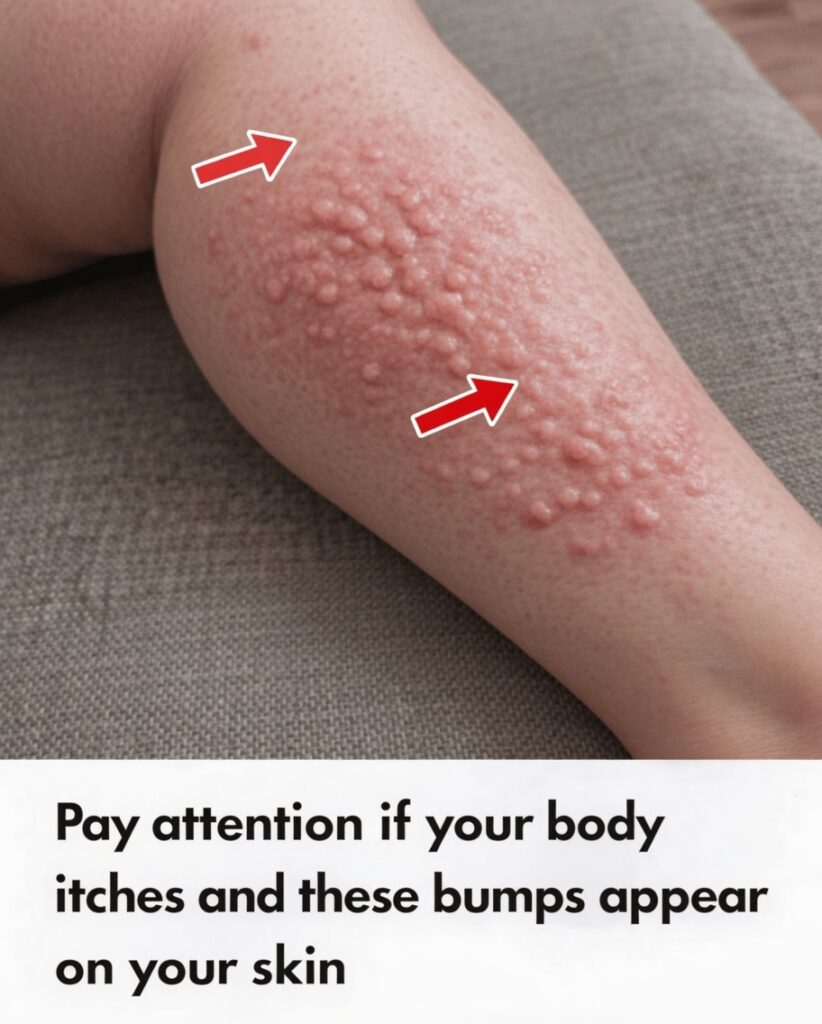
When Hives Appear Overnight: Why It Feels So Intense
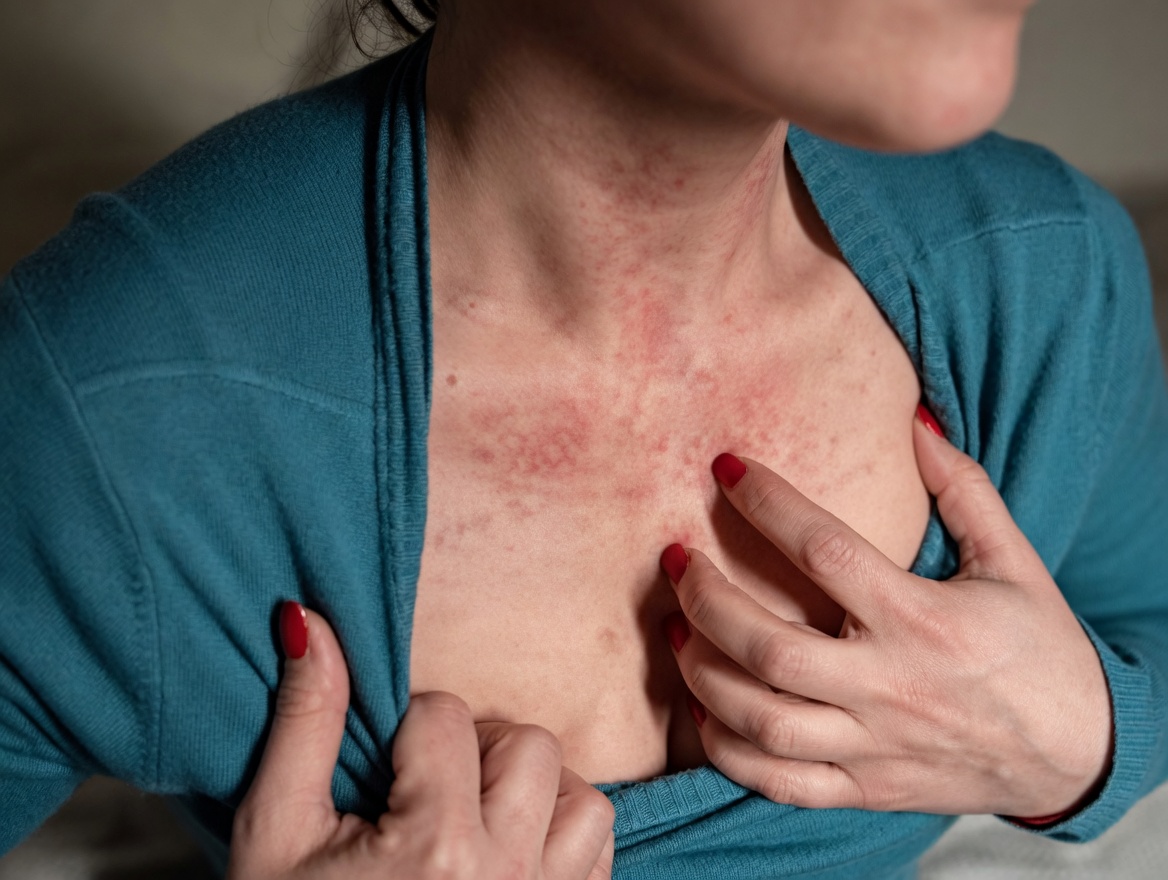
Waking up to red, puffy welts spreading across your skin can feel like your body flipped a switch while you were asleep. One minute you’re trying to get ready for the day, and the next you’re chasing relief—scratching burning patches that seem to travel from your arms to your legs in minutes. Beyond the itch, hives can ruin sleep, impact confidence, and leave you asking a frustrating question: what is my body reacting to?
And the answer is not always “something you ate last night.”
Hives (urticaria) are often blamed on a simple allergy, but the real story is more layered. This guide breaks down the biological “on/off” mechanisms behind flare-ups and shares a specialist-style tracking approach that can help decode even stubborn, recurring hives.
Your Body’s Internal Alarm System: What’s Happening Under the Skin?
Hives are not merely a surface irritation—they’re the visible outcome of an immune response that has gone into high alert. When your immune system senses a potential threat, it signals mast cells, which sit throughout the skin like tiny security guards.
When mast cells react, they release histamine, triggering a chain reaction:
- Blood vessel dilation: Histamine widens small blood vessels, increasing blood flow to the area.
- Fluid leakage: The vessel walls become more permeable, allowing plasma to seep into surrounding tissue.
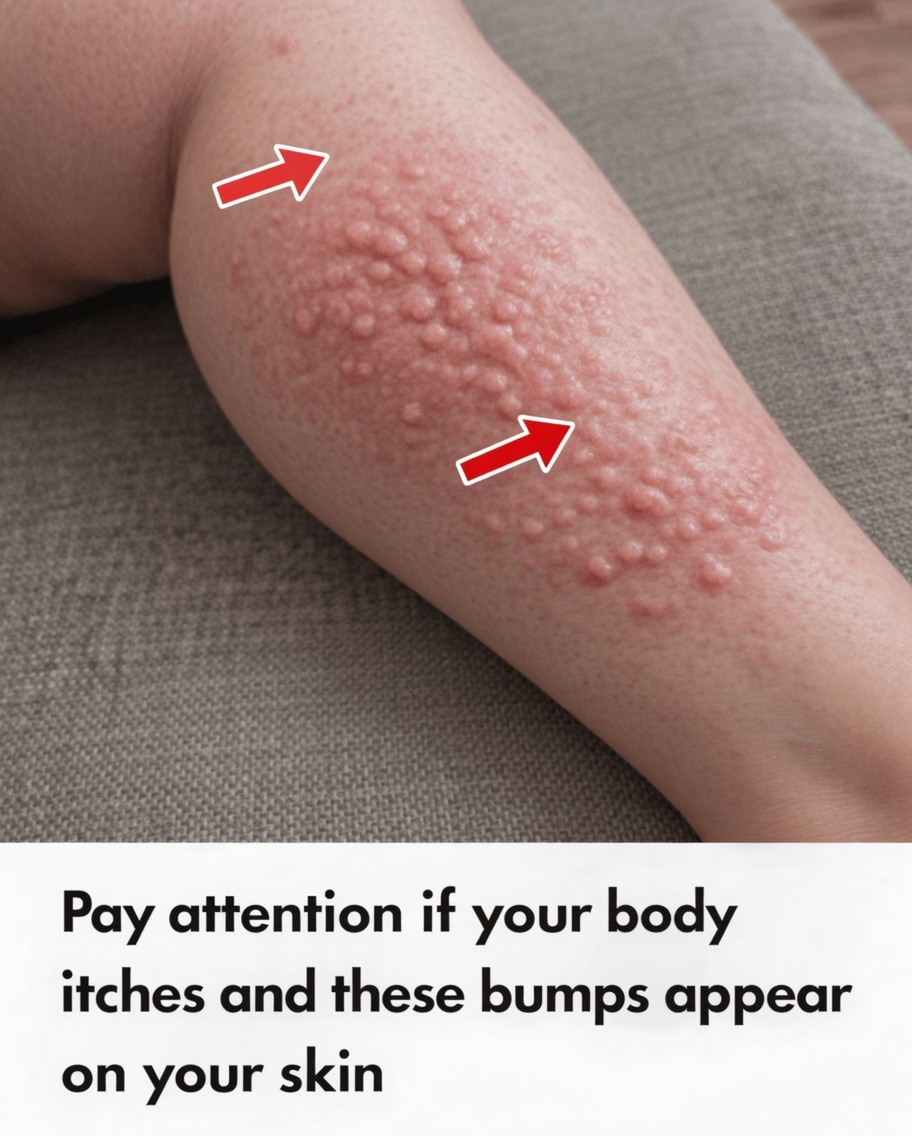
- Wheals (welts) form: The pooled fluid creates the raised, swollen bumps typical of hives.
- Nerves become irritated: Histamine stimulates nerve endings, producing a sharp, prickling itch (often more intense than pain).
A key feature of urticaria is how temporary each individual welt is. A single hive commonly disappears within 24 hours, even if new welts pop up elsewhere—this shifting, “migrating” pattern is one of the classic signs of hives.
Acute vs. Chronic Hives: Know Your Timeline
Before focusing on triggers, it helps to classify your hives based on duration. Clinicians typically separate urticaria into two categories.
1) Acute Hives (Short-Term)
Acute hives are the most common type and can last from a few hours up to less than six weeks. They’re often linked to a specific event and frequently resolve once the temporary trigger is gone. In many cases, the trigger is something short-lived—such as a viral illness or a one-time food exposure.
2) Chronic Hives (Long-Term)
If hives occur most days for more than six weeks, they’re considered chronic. This category is often more complicated because the trigger is not always external. In a large portion of chronic cases, the immune system itself may be keeping mast cells activated—essentially maintaining an internal “high alert” state.
Common Triggers: Foods, Environment, and Infections
Hives are commonly associated with allergies, and while not all hives are classic IgE-mediated “allergic reactions,” many substances can still provoke mast cells and histamine release.
Dietary Triggers to Consider
Some foods are well known for triggering rapid histamine-driven reactions, including:
- Shellfish and fish, which may cause fast-onset symptoms
- Peanuts and tree nuts, often linked with broader, more systemic reactions
- Eggs and dairy, commonly seen in children
- Food additives, such as certain dyes, sulfites, or preservatives in processed foods
The Infection Connection (Often Overlooked)
Infections—especially viral ones—are among the most frequent causes of hives, particularly in children and also in many adults. During a cold, sinus infection, or stomach bug, the immune system becomes more reactive. That heightened immune activity can spill over into the skin, producing hives as a secondary symptom of the body fighting off illness.
Unexpected Triggers Many People Miss
Food isn’t the only factor. For many people, physical conditions and everyday exposures can be the real drivers of flare-ups.
1) Pressure, Friction, and “Physical Urticaria”
Some hives form because of mechanical stimulation—how clothing fits or how skin is touched.
- Pressure-induced hives: Welts can appear under bra straps, waistbands, tight socks, or after carrying a heavy backpack.
- Dermatographism: Light scratching can create raised, red lines—as if the skin is “writing” the reaction.
2) Temperature Shifts: Cold and Heat-Related Hives
Skin can react strongly to rapid temperature changes:
- Cold urticaria: Triggered by cold air, cold water, or sudden exposure to low temperatures.
- Cholinergic urticaria: Triggered by rising core body temperature—often from exercise, hot showers, or even spicy foods.
3) Stress as an Amplifier: The Stress–Histamine Loop
Stress doesn’t usually create hives out of nothing, but it can make reactions far easier to trigger. Hormones involved in stress responses (including cortisol and adrenaline) may make mast cells more reactive. That means smaller exposures—ones you’d normally tolerate—can lead to a larger flare-up. If your symptoms worsen during deadlines, conflict, or poor sleep, your nervous system and immune system may be intensifying the skin response together.
Practical At-Home Strategies to Calm a Flare and Find the Pattern
A clinician should guide diagnosis and treatment, especially for persistent hives. Still, there are evidence-based steps that can help reduce discomfort and uncover triggers.
The Specialist “Tracking Secret”: A Trigger Journal
A trigger journal is one of the most effective tools for recurring hives because it reveals patterns you can’t reliably spot in the moment. For 7 days, track:
- Everything you consume: meals, snacks, drinks, supplements, herbal teas
- Environmental changes: new detergent, pollen exposure, pets, travel, cleaning products
- Heat and activity: workouts, hot baths, saunas, sweating
- Stress level: rate daily stress from 1–10 and note major events
Often a repeating link appears—such as hives that show up only after a high-intensity workout, only after hot showers, or only on certain days with a specific meal or environment.
Skin-Calming Habits That Actually Help
- Keep cool: Heat widens blood vessels and can intensify redness and itching.
- Use lukewarm water: Hot showers may worsen flare-ups; choose warm-to-cool water instead.
- Choose gentle cleansers: Fragrance-free, sensitive-skin products are less irritating.
- Wear loose, breathable fabrics: Cotton and silk help reduce heat and friction; tight synthetic clothing may trap sweat.
- Try a cold compress: A cool, damp cloth can temporarily reduce itch by narrowing blood vessels and calming nerve signals.
When to See a Healthcare Professional (and When It’s Urgent)
Many cases of hives are short-lived and not dangerous, but medical evaluation is important when symptoms suggest chronic or atypical disease.
Schedule an appointment if:
- Your hives persist beyond six weeks (possible chronic urticaria)
- Welts occur with fever or joint pain
- Individual spots leave bruising or purple discoloration
- Symptoms don’t improve with standard over-the-counter antihistamines
Emergency warning: Seek urgent medical care immediately if you develop swelling of the lips, tongue, or throat, or any trouble breathing. This may indicate anaphylaxis, a severe allergic reaction.
FAQ: Common Questions About Hives
Can stress by itself cause hives?
Stress is rarely the sole root cause, but it is a powerful trigger and amplifier. It can lower your reaction threshold so that minor irritants—heat, friction, mild foods, or infections—provoke stronger flare-ups than usual.
Why do my hives look worse at night?
This can relate to your body’s circadian rhythm. Natural shifts in hormone levels overnight may reduce anti-inflammatory activity, and warmth under blankets can also increase itching and redness.