Nipah Virus in West Bengal: What You Need to Know and How to Stay Safe
Recent reports of Nipah virus cases in West Bengal have understandably raised public concern. Although this infection is uncommon, it can cause severe disease and is known to spread in specific circumstances—primarily from animals to humans, or through close contact with an infected person. When news mentions healthcare workers being affected and authorities monitoring large numbers of contacts, anxiety can rise quickly.
The reassuring part: public health agencies emphasize staying calm, relying on credible updates, and following practical precautions that reduce risk. Below is a clear overview of what Nipah virus is, how transmission happens, what symptoms to watch for, and everyday prevention steps—plus a simple mindset shift that helps you stay prepared without panic.
What Is Nipah Virus—and Why It Matters Right Now
Nipah virus (NiV) is a zoonotic virus, meaning it can move from animals to people. Its natural reservoir is fruit bats (often called flying foxes). Most outbreaks have been reported in South and Southeast Asia, including India and Bangladesh. Guidance and outbreak summaries from organizations such as the World Health Organization (WHO) note that illness severity can range from mild symptoms to life-threatening disease.
In the latest West Bengal reports, two confirmed infections were identified among healthcare workers in the same hospital. Officials responded quickly by tracing close contacts—nearly 200 people—and, at the time of reporting, no further spread had been identified. This is described as the third reported occurrence in West Bengal, following earlier events in previous years. Ongoing measures typically include monitoring, testing, and isolation where appropriate to keep transmission contained.
Understanding these basics helps you separate verified facts from fast-moving online rumors.
How Nipah Virus Spreads
Based on established information from trusted authorities such as the WHO and CDC, Nipah virus transmission mainly occurs in these ways:
-
Bat-to-human transmission
- Often linked to food or drink contaminated by bats, such as raw date palm sap or fruit that bats have touched or partially eaten.
-
Animal-to-human transmission
- In certain past outbreaks, exposure occurred through infected pigs or their secretions.
-
Person-to-person transmission
- Usually through close contact with bodily fluids from an infected person (for example, saliva, respiratory droplets, or blood), and is more likely in caregiving and healthcare settings.
Importantly, Nipah virus is not known to spread through casual contact or travel long distances through the air in the way some highly contagious respiratory viruses can. Symptoms most commonly appear 4–14 days after exposure, though longer incubation periods have been reported in rare cases.
Outbreak reports frequently cite a case fatality rate of roughly 40–75%, varying by outbreak conditions and factors such as how quickly supportive care is provided. This is why prevention and rapid response receive so much attention during investigations.

Recognizing Possible Symptoms
Early symptoms can resemble many routine infections, which is why informed awareness—not fear—is useful. Common early signs may include:
- Fever
- Headache
- Cough or sore throat
- Difficulty breathing
- Vomiting
More serious illness can involve drowsiness, confusion, and neurological complications. If symptoms appear after a plausible exposure—such as travel to an affected area or close contact with a sick person—seek medical evaluation promptly. Early assessment supports appropriate care and helps protect others.
Practical Ways to Reduce Your Risk
There is currently no widely available vaccine and no specific antiviral treatment proven to cure Nipah virus infection. However, straightforward daily habits can meaningfully lower risk—especially in areas where cases are being investigated. The following aligns with recommendations commonly emphasized by major health authorities.
Everyday Prevention (For Most People)
- Wash hands regularly with soap and water, especially after public outings or animal contact.
- Avoid contact with bats, sick pigs, and places where bats roost.
- Do not drink raw date palm sap or unboiled palm juice in regions where outbreaks have occurred.
- Clean fruits and vegetables thoroughly; peel when possible, and discard produce with signs of bites or damage.
- Avoid close, unprotected contact with people who are ill—particularly those with respiratory symptoms.
If You Live In or Travel To an Affected Area
- Follow local public health advisories and updates from reliable sources.
- Use protective measures (such as gloves) when handling animals in relevant contexts.
- Maintain careful hygiene in caregiving settings.
For Healthcare and Caregiving Settings
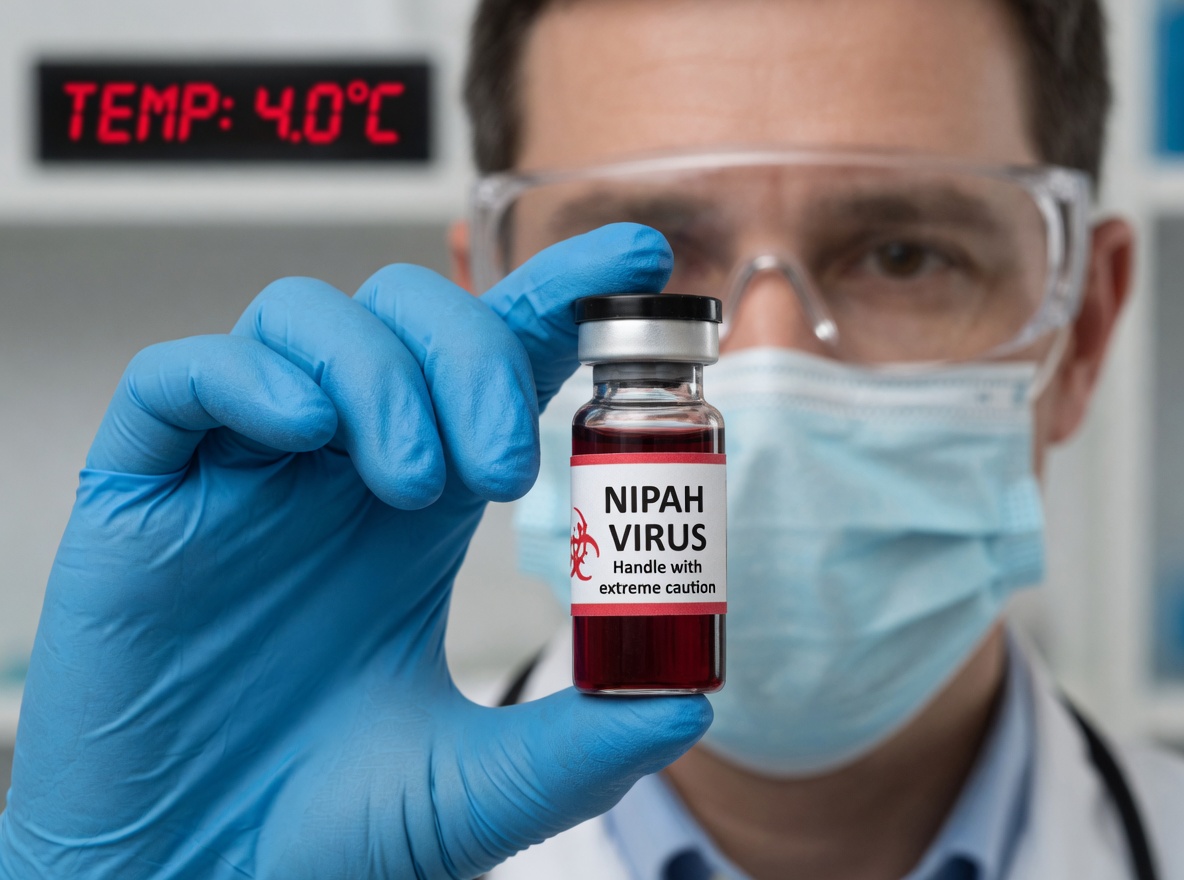
- Use appropriate PPE (mask, gloves, gown, and eye protection) when caring for suspected or confirmed cases.
- Apply strict infection prevention and control practices, including isolation procedures when indicated.
These steps reduce exposure risk significantly, particularly when applied consistently in known investigation zones.
What Public Health Responses Typically Look Like
In the West Bengal situation, officials focused on actions commonly used to control Nipah virus events:
- Testing and monitoring of close contacts
- Isolation of confirmed or suspected cases
- Contact tracing to identify potential transmission chains
- Public communication to reduce confusion and misinformation
According to WHO-style risk framing used in similar situations, the broader global risk is generally considered low, and response efforts aim to be targeted rather than disruptive—prioritizing containment without fueling panic.
A Key Mindset Shift: Awareness Without Alarm
One of the most effective protective tools is not a product—it is reliable information. Use updates from sources such as the WHO, CDC, and national or local health agencies. Avoid sharing or reacting to unverified posts that intensify fear.
A practical daily approach is to focus on what you can control:
- your hygiene habits,
- your attention to official local updates,
- and your support for community health measures.
Preparedness is strongest when it is calm, consistent, and evidence-based.
Conclusion
Knowing the essentials about Nipah virus helps you respond thoughtfully instead of reacting with fear. By understanding how it spreads, recognizing symptoms early, and applying realistic prevention steps—like handwashing and avoiding high-risk foods—you protect yourself and those around you. Authorities in West Bengal are actively monitoring and responding, and current reporting suggests focused containment efforts. In situations like this, knowledge plus calm preparation makes the biggest difference.
FAQ
What should I do if I develop symptoms after traveling to an affected area?
Seek medical care promptly and clearly mention your travel history and any possible exposures. Early evaluation helps guide proper care and precautions.
Is Nipah virus a concern for people outside outbreak areas?
WHO-style assessments generally describe the overall global risk as low, with transmission typically limited to specific exposure settings rather than widespread community spread.
How can I follow accurate updates about Nipah virus?
Use official sources such as the WHO, CDC, and your local health department for timely, verified information.
Disclaimer: This article is for informational purposes only and does not replace professional medical advice. If you have symptoms or health concerns, consult a qualified healthcare professional.