
Why Your Thyroid Deserves Daily Attention
The thyroid gland may be small and easy to overlook, but it has a powerful influence over everyday wellbeing—your energy, weight stability, mood, and even how warm or cold you feel. When thyroid function drifts out of balance, subtle issues like persistent fatigue, unexplained weight changes, dry skin, or “brain fog” often show up first. Because these symptoms can look like stress or aging, many people live with them for years without realizing the thyroid may be involved.
The encouraging part is that daily choices—nutrition, routine habits, and simple self-care—can support thyroid health naturally, especially when paired with appropriate medical guidance. This guide walks through six practical, nutrition-informed steps, ending with an easy herbal-style infusion that many people enjoy as a calming daily ritual.
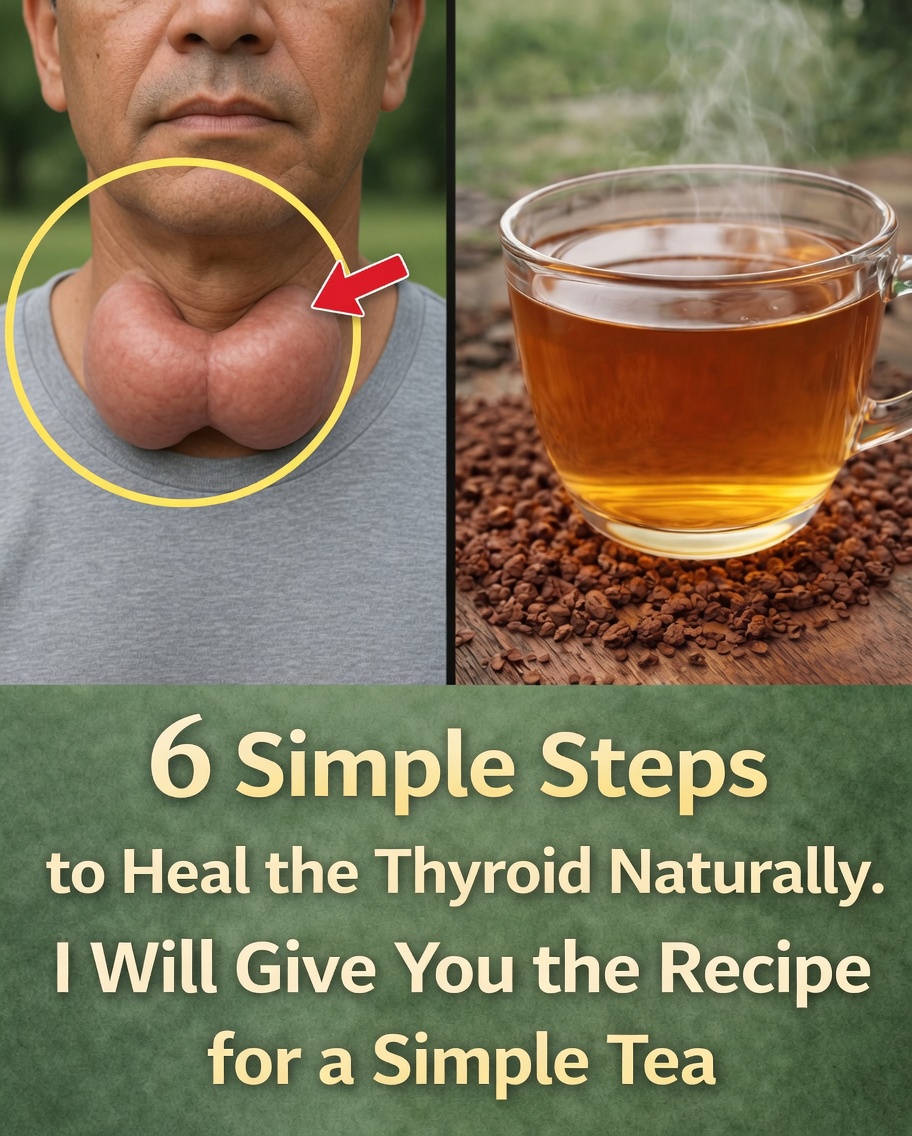
What Is the Thyroid—and Why Is It So Important?
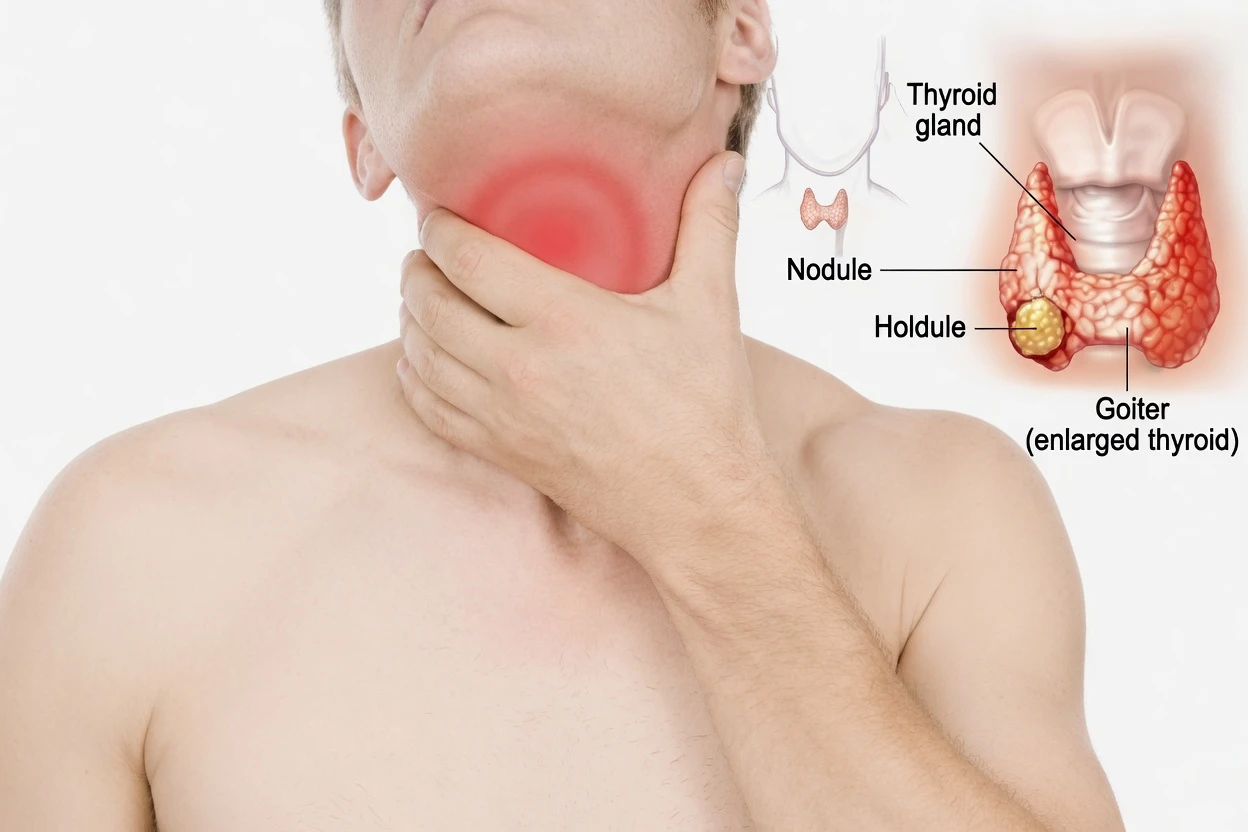
Your thyroid is a butterfly-shaped gland located at the base of the neck. Its main job is producing thyroid hormones—primarily T4 (thyroxine) and T3 (triiodothyronine), the more active form. These hormones act like a metabolic “control center,” influencing many key functions, including:
- Metabolic rate (how efficiently you burn calories)
- Body temperature regulation
- Heart rate and rhythm
- Day-to-day energy levels
- Digestion and nutrient absorption
- Skin, hair, and nail condition
- Overall hormonal balance
When thyroid hormones are too low (hypothyroidism) or too high (hyperthyroidism), the effects can be felt throughout the body. Research also highlights how closely thyroid health connects with nutrition, gut function, and stress physiology, which is why lifestyle support can be meaningful.
Common Thyroid Imbalances and Typical Symptoms
Thyroid symptoms vary from person to person, but the patterns below are common.
Hypothyroidism (Underactive Thyroid)
Often associated with:
- Fatigue that persists even after rest
- Weight gain or difficulty losing weight
- Feeling unusually cold (especially hands and feet)
- Hair thinning or brittle nails
- Dry, rough skin
- Low mood, mental fog, or mild depression-like feelings
- Sluggish digestion or constipation
Hyperthyroidism (Overactive Thyroid)
Often associated with:
- Weight loss without trying, even with normal eating
- Anxiety, irritability, or restlessness
- Fast or irregular heartbeat
- Heat intolerance or excessive sweating
- Sleep difficulties
- Shaky hands or tremors
Other thyroid concerns, such as thyroiditis (inflammation), may also cause neck swelling or discomfort. Because symptoms can overlap with other health issues, routine check-ups and thyroid blood tests remain essential.

Can Lifestyle Habits Really Support Thyroid Function?
Many thyroid conditions require medical care—such as hormone replacement therapy or other targeted treatments. Still, supportive lifestyle changes may help improve comfort and daily function by assisting:
- Thyroid hormone production
- Conversion of T4 to active T3
- Nutrient availability for thyroid-related processes
- Inflammation and stress balance
Nutrients such as selenium and zinc are frequently linked with thyroid hormone activity, and stress management is widely recognized as helpful for hormonal regulation. The goal here is not to “replace” treatment, but to strengthen your foundation with sustainable, realistic habits.
6 Practical Steps to Support Thyroid Health Naturally
Step 1: Reduce Foods That Can Overload the System
Over time, certain common foods may contribute to inflammation or interfere with nutrient balance—especially when eaten in large amounts. Consider cutting back on:
- Refined sugars and sweetened drinks
- White flour products and heavily processed baked goods
- Packaged snacks and fast food
- Excess alcohol
- Large quantities of soy, particularly unfermented forms
This approach aims to create a calmer internal environment—then you can focus on what truly nourishes thyroid function.
Step 2: Add Thyroid-Supportive Nutrients Through Whole Foods
The thyroid depends on specific nutrients to build hormones and support conversion to active forms. Key nutrients often discussed in thyroid nutrition include:
- Iodine (needed in appropriate amounts for hormone production): seafood, dairy, iodized salt
- Selenium (supports hormone conversion and helps protect thyroid tissue): Brazil nuts (often 1–2 daily is enough)
- Zinc (involved in hormone production and immune balance): shellfish, pumpkin seeds, lean meats
- Iron (supports oxygen transport and energy metabolism): lentils, leafy greens, red meat
- B vitamins (support energy and metabolic pathways): eggs, whole grains, leafy vegetables
Simple ways to include these more consistently:
- Build breakfasts around eggs for selenium and B vitamins
- Snack on Brazil nuts or mixed seeds
- Eat fatty fish (salmon, sardines) a few times per week
- Cook with garlic and onions for antioxidant-rich flavor
- Enjoy cooked cruciferous vegetables (broccoli, cauliflower) in moderation
A colorful, minimally processed diet provides the steady nutritional “raw materials” the thyroid relies on.

Step 3: Support Gut Health to Help Hormone Balance
There is growing interest in the thyroid–gut connection. A well-supported digestive system can improve nutrient absorption and may help the body handle hormone conversion more efficiently.
To strengthen gut wellness:
- Eat fiber-rich whole foods (vegetables, fruit, oats, legumes)
- Drink enough water daily
- Include fermented foods when tolerated (yogurt, kefir)
- Eat slowly and consistently to reduce digestive strain
When digestion is smoother, people often notice better energy, steadier appetite, and more consistent comfort.
Step 4: Make Stress Reduction a Daily Priority
Long-term stress increases cortisol, which may interfere with thyroid hormone conversion and contribute to inflammation. Over time, this can make thyroid symptoms feel more intense.
Practical ways to reduce stress without overhauling your life:
- Take a 20–30 minute walk outdoors
- Use slow breathing techniques (for example, 4-7-8 breathing)
- Keep a stable sleep schedule (aim for 7–9 hours)
- Reduce screen exposure close to bedtime
Rest is not optional for hormone health—it’s part of the system.
Step 5: Use Gentle Neck Care to Ease Tension
Light massage around the neck can feel soothing and may encourage circulation in the area. Using a small amount of coconut or olive oil, try gentle circular motions for 5–10 minutes.
Keep pressure soft—this is about relaxation and comfort, not deep tissue work. Many people find it fits nicely into an evening wind-down routine.
Step 6: Try a Comforting Garlic and Onion Infusion
This simple infusion is inspired by traditional use and is valued for its antioxidant and anti-inflammatory compounds. Garlic and onion are also commonly associated with immune and digestive support—two areas often linked with overall thyroid comfort.
Ingredients (Makes 2 cups)
- 1 medium red onion
- 2–3 fresh garlic cloves
- 2 cups water
How to Prepare
- Peel and roughly chop the onion.
- Lightly crush the garlic cloves to help release active compounds.
- Bring water to a boil.
- Add onion and garlic.
- Lower heat and simmer for 10 minutes.
- Strain into a cup and allow it to cool slightly before drinking.
How to Use
- Drink 1 warm cup per day, either in the morning (often on an empty stomach) or in the evening.
- Try it for 7 days, then take a 5-day break, and repeat if it suits you.
- Use alongside balanced meals, not as a replacement for nutrition.
Many people enjoy it simply because it’s warm, grounding, and easy to maintain as a daily habit.
Safety Notes to Keep in Mind
- Do not stop or change thyroid medication without guidance from your healthcare professional.
- Schedule regular thyroid blood tests to monitor changes accurately.
- Pay attention to how you feel—if a new habit causes discomfort, pause and seek advice.
- These strategies are designed to complement medical care, not replace it.
Who May Find These Habits Especially Helpful?
These supportive steps are commonly useful for people who want to strengthen daily thyroid wellness, including:
- Women over 35
- Anyone with a family history of thyroid concerns
- People dealing with ongoing fatigue or low energy
- Those noticing gradual shifts in weight, mood, or temperature sensitivity
Conclusion
Your thyroid may be quiet, but its impact is anything but small. By reducing inflammatory triggers, emphasizing thyroid-supportive nutrients, caring for gut health, managing stress, and adding gentle daily rituals, you can create a more supportive environment for healthy thyroid function—while continuing to follow proper medical care.