Cancer remains one of today’s toughest health challenges, impacting millions of people worldwide and prompting many to look for practical ways to support overall wellness. Concerns about cellular health, inflammation, oxidative stress, and long-term vitality can feel heavy—especially when everyday stress adds extra strain. Although no single food, herb, or supplement can guarantee protection, researchers continue to explore natural compounds that may help the body maintain healthy balance.
One plant gaining renewed attention is the olive leaf—often overshadowed by olive oil and the olive fruit. Early research suggests that olive leaf compounds may offer benefits that go beyond basic nutrition, which is why this Mediterranean staple is now being studied more closely.
Why Olive Leaves Are Getting More Scientific Attention
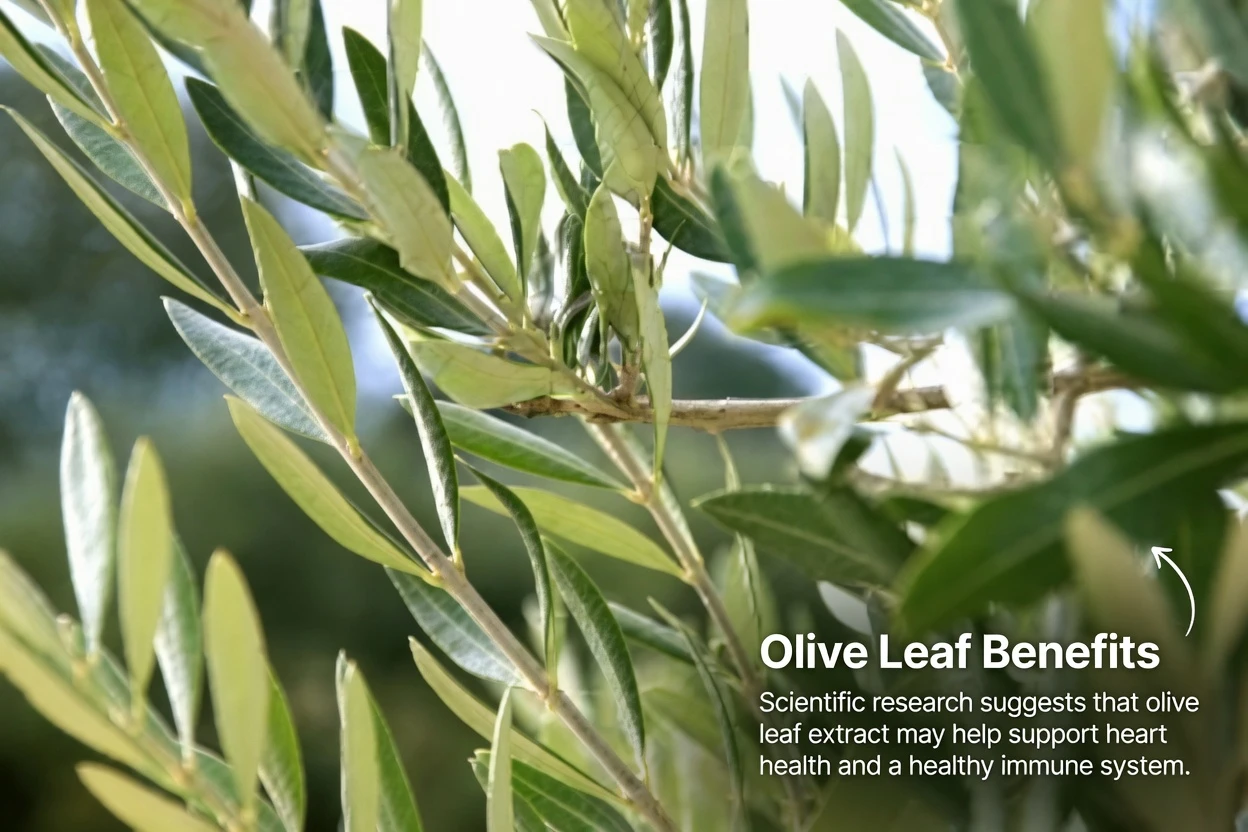
The olive tree (Olea europaea) has been cultivated for thousands of years across the Mediterranean. Diets rich in olive-based foods are frequently associated with healthier aging patterns and improved long-term outcomes. While olive oil typically receives the most praise, olive leaves often contain higher levels of certain bioactive compounds.
A key compound in olive leaves is oleuropein, a polyphenol that supports the plant’s natural defense systems. Along with related compounds such as hydroxytyrosol, oleuropein has drawn interest because polyphenols are widely studied for antioxidant activity—helping neutralize free radicals that contribute to oxidative stress over time.
Reviews and summaries from reputable medical sources (including PubMed-indexed literature and Memorial Sloan Kettering Cancer Center) note that olive leaf extract (OLE) shows potential in laboratory research for supporting aspects of cellular health. However, much of the current evidence comes from in vitro (test-tube) and animal studies, with limited human clinical trials available so far.
Key Olive Leaf Compounds and What Research Has Explored
Olive leaves contain a distinctive mix of plant compounds that scientists are actively investigating:
- Oleuropein: Often the most abundant polyphenol in olive leaf extract; studied for how it may influence cellular pathways in lab models.
- Hydroxytyrosol: A compound that can result from oleuropein breakdown; recognized for strong antioxidant potential.
- Additional phenolics and flavonoids: Contribute to the overall antioxidant and supportive profile of olive leaf preparations.
A number of research reviews have examined oleuropein and related olive leaf polyphenols for their possible influence on:
- Oxidative stress responses
- Inflammation-related signaling
- Metabolic and cardiovascular markers
In laboratory settings, some experiments have observed changes in cell proliferation and apoptosis (programmed cell death) across multiple cancer cell line models (including breast, ovarian, and colorectal models).
Important note: These are preclinical findings, not proof of cancer prevention or treatment in people. Memorial Sloan Kettering and other evidence-based institutions emphasize that olive leaf extract has not been proven to prevent or treat cancer in humans, and stronger clinical research is still needed.
What Studies Suggest About Olive Leaf and Cellular Health (Lab Evidence)
A growing body of lab research has explored how olive leaf extract and oleuropein behave in controlled environments:
- Some studies report that olive leaf extract reduced viability and supported cell cycle arrest in certain breast and ovarian cancer cell lines (including triple-negative breast cancer models).
- Other experiments found that oleuropein triggered cytotoxic effects and increased markers associated with apoptosis in breast cancer laboratory models (such as MCF-7).
- Broader reviews summarize findings across several cell line categories (including leukemia, pancreatic, and colon), where olive-derived polyphenols appeared to influence pathways related to proliferation and survival.
One more recent lab investigation comparing ethanolic olive leaf extracts (from Greece and Spain) reported strong antioxidant activity, along with observable effects on melanoma cell viability and migration in vitro.
These results are scientifically interesting, but they should be interpreted carefully: lab outcomes do not automatically predict real-world human results. Human evidence remains limited, and clinical trials are necessary to confirm safety, effectiveness, and appropriate dosing for specific outcomes.
Practical Ways to Use Olive Leaf in a Balanced Routine
If you want to explore olive leaf as part of a holistic wellness approach, the goal is to do so safely and realistically—without treating it as a substitute for medical care.
Here are simple, commonly used options:
- Select reputable supplements: Choose a standardized olive leaf extract that lists oleuropein content (often in the range of 6%–20%). Prefer products with third-party testing.
- Try olive leaf tea first: Use dried olive leaves (from health stores or reputable online sellers).
- Use 1–2 teaspoons per cup of hot water
- Steep for 5–10 minutes
- Many people drink 1–2 cups per day
- Pair it with Mediterranean-style habits: Combine olive leaf use with a diet rich in vegetables, legumes, whole grains, and healthy fats for a more evidence-aligned wellness foundation.
- Pay attention to how you feel: If you take medications—especially for blood pressure or blood sugar—speak with a healthcare professional, as olive leaf may affect these systems.
- Be consistent, not extreme: Antioxidant-supportive habits work best when practiced steadily over time.
Beyond Cellular Research: Other Wellness Areas Being Studied
In addition to laboratory work focused on cell models, olive leaf extract has also been studied for broader health support, including:
- Cardiovascular health: Some systematic reviews and meta-analyses report that olive leaf extract may help support healthy blood pressure, depending on the population and dose.
- Immune-related effects: Laboratory studies have observed antimicrobial activity, though this does not automatically translate into clinical treatment outcomes.
- Metabolic balance: Research has explored potential support for lipids and blood glucose regulation in certain contexts.
One systematic review reported blood pressure-related benefits in studies using doses around 1,000 mg/day of olive leaf extract, though results vary and should be interpreted within the limitations of the available trials.
Conclusion: Is Olive Leaf Worth Adding to a Wellness Plan?
Olive leaf is a traditional Mediterranean plant with growing scientific interest, largely due to its high concentration of polyphenols such as oleuropein and hydroxytyrosol. While it is not a cure and not a substitute for medical care, using olive leaf thoughtfully—through tea or quality standardized extracts—may complement a wellness-focused lifestyle aimed at supporting antioxidant balance and overall health.
The most informed approach is evidence-based: use natural tools responsibly, stay realistic about what research actually shows, and consult qualified clinicians when needed.
Frequently Asked Questions (FAQ)
Is olive leaf extract safe for daily use?
For many healthy adults, olive leaf tea or moderate supplement use is generally well tolerated. Some people may experience mild side effects such as digestive discomfort. If you are pregnant, breastfeeding, have a medical condition, or take prescription medications, consult a healthcare professional first.
How is olive leaf different from olive oil?
Olive leaf typically contains more concentrated levels of oleuropein and certain polyphenols. Olive oil is best known for its monounsaturated fats and its own set of beneficial compounds. They support wellness in different ways and can be complementary.
Can I take olive leaf extract if I have an existing condition?
Talk with your clinician before using olive leaf products. Olive leaf may influence blood pressure and blood sugar, and it may interact with related medications.
Disclaimer
This article is provided for informational purposes only and does not constitute medical advice. Olive leaf extract is not intended to diagnose, treat, cure, or prevent any disease. It is not a replacement for professional medical care. Always consult a qualified healthcare provider before starting any new supplement, especially if you have a medical condition or take medications. Individual responses vary.