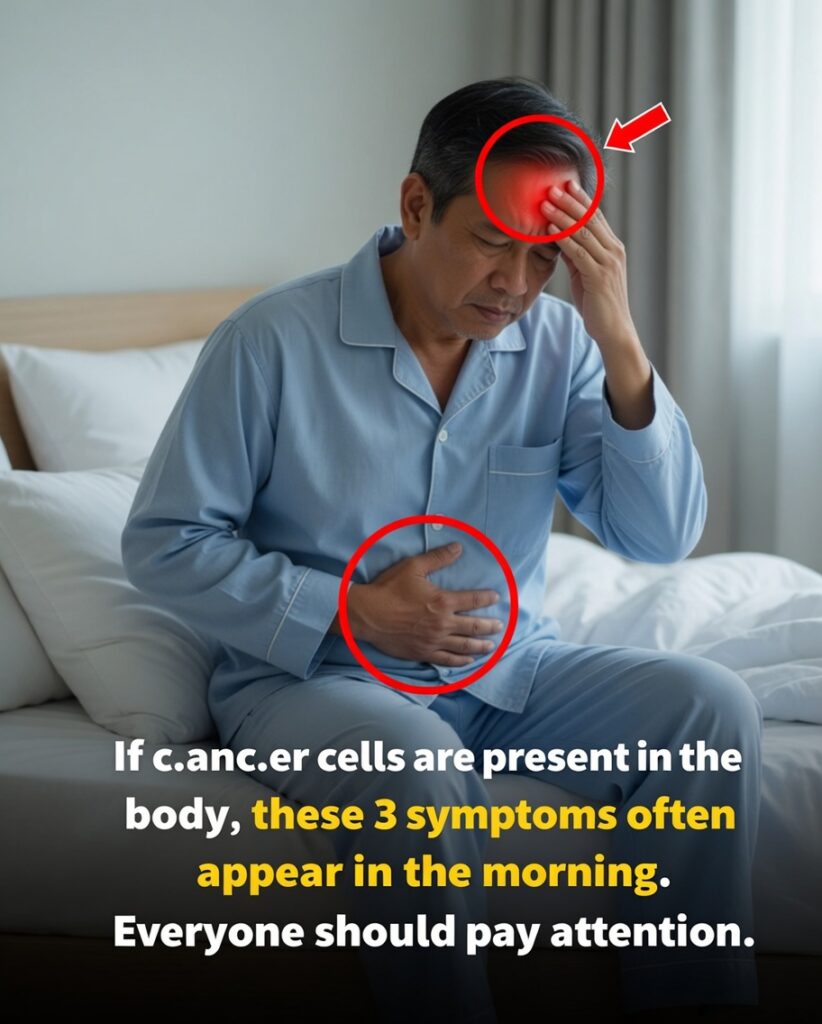
Waking up should feel restorative. Yet for some people, mornings come with symptoms that don’t fade as the day goes on—such as a cough that starts the moment you open your eyes, exhaustion that caffeine can’t touch, or waking up drenched in sweat. These aren’t always just “bad mornings.” In some cases, they can be warning signs linked to serious conditions, including certain cancers.
Many people dismiss these changes as stress, allergies, or poor sleep. However, overlooking persistent symptoms can delay useful testing. The encouraging news is that noticing patterns early—and speaking with a healthcare professional—can make it much easier to understand what’s going on. Below are three morning symptoms often highlighted by health experts, why they matter, and practical next steps to take.
Why Morning Symptoms Can Be Especially Important
Mornings can reveal problems that build while you sleep. Even though your body is resting, certain issues may become more noticeable overnight. If something is affecting the body—such as abnormal processes associated with cancer—symptoms may feel strongest right after waking.
Information commonly referenced by groups such as the American Cancer Society and Cancer Research UK notes that ongoing cough, unusual fatigue, and significant night sweats are among frequently reported early symptoms in cancers like lung cancer and lymphoma.
One crucial point: these signs rarely indicate cancer by themselves. They overlap with many common, treatable causes. Still, if they persist, intensify, or appear together, they deserve a closer look.
1. A Morning Cough That Persists or Keeps Returning
A cough that feels worse in the morning is common, particularly among smokers or people with allergies. But when a cough continues for more than two weeks or steadily worsens, it becomes more concerning.
Pharmacist Abbas Kanani has explained that smokers often cough upon waking as the body clears mucus that has accumulated overnight. However, a cough that doesn’t resolve—whether dry or producing phlegm—shouldn’t be ignored. Persistent cough can also be associated with lung cancer when tumors irritate or obstruct airways. In some cases, cough and throat symptoms may also relate to cancers affecting areas such as the throat, larynx, or thyroid—especially when paired with persistent soreness.
When it’s more concerning
- The cough starts (or is notably worse) in the morning
- It continues despite time, rest, or over-the-counter options
- It lasts longer than 2–3 weeks
Common non-cancer explanations
- Acid reflux (GERD)
- Post-nasal drip
- Chronic bronchitis or asthma
When to seek care sooner
- Blood in mucus
- Chest pain
- Hoarseness or voice changes
- Shortness of breath
A persistent cough can be easy to focus on—but many people miss how it may connect with the next symptom: ongoing low energy.

2. Severe Fatigue That Doesn’t Improve All Day
It’s normal to feel a bit slow after a short night of sleep. But true, persistent fatigue feels different: you wake up already depleted, and the heaviness follows you through the day even after resting.
Health experts note that unexplained fatigue is a common symptom seen across many illnesses, including cancer. In cancer, fatigue may be driven by inflammation, anemia, or the body’s resources being diverted by abnormal cell activity. Medical organizations such as Johns Hopkins Medicine and the Mayo Clinic often list persistent, unexplained fatigue among the broad warning signs worth evaluating—particularly in blood cancers or later-stage disease.
How to tell normal tiredness from concerning fatigue
- Typical tiredness: improves with sleep, hydration, movement, or routine changes
- More concerning fatigue: constant, “weighed-down” feeling that worsens over weeks; may include weakness, lightheadedness, or reduced ability to function
This kind of fatigue frequently shows up alongside another night-to-morning clue: drenching sweats.
3. Night Sweats That Soak Your Clothes or Bedding
Waking up sweaty can happen for many reasons—warm rooms, heavy blankets, infections, anxiety, menopause, or certain medications. But night sweats that are intense enough to soak pajamas or sheets, especially when repeated, should not be brushed off.
Experts often mention drenching night sweats as a possible early feature of lymphomas and other blood cancers. The underlying idea is that the body may trigger fever-like responses, which can lead to sweating. When night sweats occur alongside fatigue and unexplained weight loss, they resemble a well-known symptom pattern discussed by resources such as MD Anderson Cancer Center and WebMD.
Details worth paying attention to
- Sweats happen repeatedly (not a one-off)
- You need to change clothes or bedding
- They occur without obvious triggers (heat, spicy foods, heavy covers)
- They’re accompanied by chills, fever, itching, or unintended weight loss
Taken together—morning cough, persistent fatigue, and drenching night sweats—can overlap because they may be connected to immune and energy changes that become more noticeable overnight, making morning the first time your body “signals” that something is off.

Practical Steps You Can Take Now
You don’t need to assume the worst—but you also shouldn’t ignore persistent changes. Here’s a straightforward, proactive approach:
-
Track symptoms for 1–2 weeks
- Note when the cough occurs and whether it’s improving
- Rate fatigue daily (for example, 1–10)
- Record night sweats (frequency, severity, and whether bedding/clothes were soaked)
- Include other changes such as weight, appetite, fever, or new pain
-
Book a medical appointment
- Bring your notes and be specific about duration and patterns
- Ask whether basic checks are appropriate (for example, blood tests, chest imaging, or referral depending on findings)
-
Support your baseline health while you wait
- Stay hydrated and eat balanced meals
- Avoid smoking and minimize alcohol
- Keep sleep consistent and aim for a cool, comfortable bedroom
-
Share relevant risk factors
- Smoking history
- Family history of cancer
- Workplace or environmental exposure to chemicals or dusts
In many cases, early evaluation leads either to reassurance or to faster answers—and that time matters.
Conclusion: Pay Attention to What Your Mornings Are Telling You
Morning symptoms can shape your whole day. If you repeatedly wake with a stubborn cough, feel exhausted from the start, or experience drenching night sweats, it may be your body asking for attention. These signs are not automatically cancer—but they are valid reasons to check in with a healthcare professional. Acting early improves the chance of identifying the real cause and getting the right treatment sooner.
FAQ
What if my morning cough only happens sometimes?
An occasional cough is often linked to colds, allergies, or temporary irritation. If the cough becomes persistent, lasts beyond two weeks, or worsens, it’s wise to consult a doctor.
Can stress or poor sleep cause fatigue and night sweats?
Yes. Stress can contribute to exhaustion and sweating, and disrupted sleep can amplify both. If symptoms continue despite improving sleep habits and stress management, seek medical evaluation to rule out underlying causes.
How quickly should I see a doctor about night sweats?
If night sweats are frequent, heavy (soaking), and accompanied by fatigue, fever, chills, itching, or weight loss, schedule a medical visit within a week or two—or sooner if symptoms escalate.
Disclaimer: This article is for informational purposes only and does not replace professional medical advice. If you have symptoms or health concerns, consult a qualified healthcare provider for personalized assessment and guidance. Early attention can be valuable, but only a clinician can provide a proper diagnosis.