
Aging Well Without Extreme Measures: Lessons From Okinawa’s Long-Lived Community
Many people fear that getting older automatically means less energy, slower recovery, and a steady decline in overall wellbeing. At the same time, modern routines often revolve around constant eating—large servings, frequent snacks, and only a short break between dinner and breakfast. Over years, these patterns can influence metabolic balance and long-term health.
Research into places known for exceptional longevity—especially Okinawa, Japan—suggests that simple, repeatable daily habits may help support healthier aging.

This article shares practical insights inspired by Okinawan centenarians and respected Japanese physicians, with a focus on eating patterns that may encourage the body’s natural renewal systems, including autophagy.
The Okinawa Longevity Research That Changed the Conversation
In the 1970s, cardiologist Dr. Makoto Suzuki began closely observing elders in rural Okinawan villages through the Okinawa Centenarian Study, one of the world’s longest-running longevity investigations. What stood out wasn’t just lifespan—it was function. Many people over 100 remained active, socially connected, and independent, often continuing to garden or farm.
Compared with many Western populations, Okinawan elders also showed notably lower rates of common age-associated health problems. Later research—along with findings from projects like Blue Zones—supported a key point: environment and lifestyle matter at least as much as genetics.
One striking clue came when younger Okinawans adopted more modern habits—highly processed foods and frequent eating throughout the day. Their historical longevity advantage declined within a generation, suggesting these daily behaviors can strongly shape outcomes.
Autophagy: A Built-In Cellular “Clean-Up” System
In 2016, Japanese scientist Dr. Yoshinori Ohsumi received the Nobel Prize for clarifying how autophagy works. Autophagy is the process where cells break down and recycle damaged or unnecessary components, helping maintain healthier cellular function over time.
Scientific research indicates that autophagy activity tends to increase when nutrients are less available—most commonly during longer breaks between meals. Studies on intermittent fasting and calorie moderation often point to fasting windows around 12–16 hours (or longer) as a timeframe that may support this cellular recycling response.
The interesting part is that traditional Okinawan routines may create similar conditions naturally—without “extreme” fasting.
The 80% Rule: How “Hara Hachi Bu” Supports Moderation
One of the most recognizable Okinawan habits is hara hachi bu, a practice rooted in Confucian tradition that means eating until you’re about 80% full. Instead of chasing maximum fullness, people stop when they feel satisfied.
Dr. Suzuki observed this pattern repeatedly: centenarians commonly ended meals before they felt stuffed. This approach can reduce overeating, support healthier insulin regulation, and often results in a longer overnight gap without food. Human research on calorie restriction and portion awareness links these behaviors to improved metabolic markers for many people.
Ways to apply hara hachi bu in everyday life:
- Stop eating when you feel satisfied—not “full-full”
- Slow down so your fullness cues can catch up
- Use smaller plates or bowls to make portion sizes feel natural
Extending the Overnight Fast With a Simple Schedule Change
Several long-lived Okinawans—and famously Dr. Shigeaki Hinohara, who remained active into his 100s and lived to 105—followed a pattern of eating earlier in the evening and delaying the first substantial meal of the day. The result: a consistent 14–16 hour overnight break without food, a range often discussed in fasting research as compatible with higher autophagy activity.
A modern, realistic version might look like:
- Finish dinner around 6:30–7:30 p.m.
- Have a late breakfast or first full meal around 10–11 a.m.
- In between, stick to water or unsweetened tea
Practical step: measure your current dinner-to-breakfast gap. If it’s under 12 hours, increase it slowly—about 30–60 minutes per week—so it feels sustainable.
Okinawan Staples That Make These Habits Easier
Traditional Okinawan meals relied heavily on plant-based staples—foods that are satisfying but not overly calorie-dense. That combination makes it easier to practice portion control and avoid constant snacking.
Key examples include:
- Purple sweet potatoes: historically a staple food, providing complex carbohydrates, fiber, and antioxidant pigments; typically more steady for blood sugar than refined carbs
- Bitter melon (goya): commonly cooked in stir-fries and mixed dishes; known for compounds associated with blood-sugar support
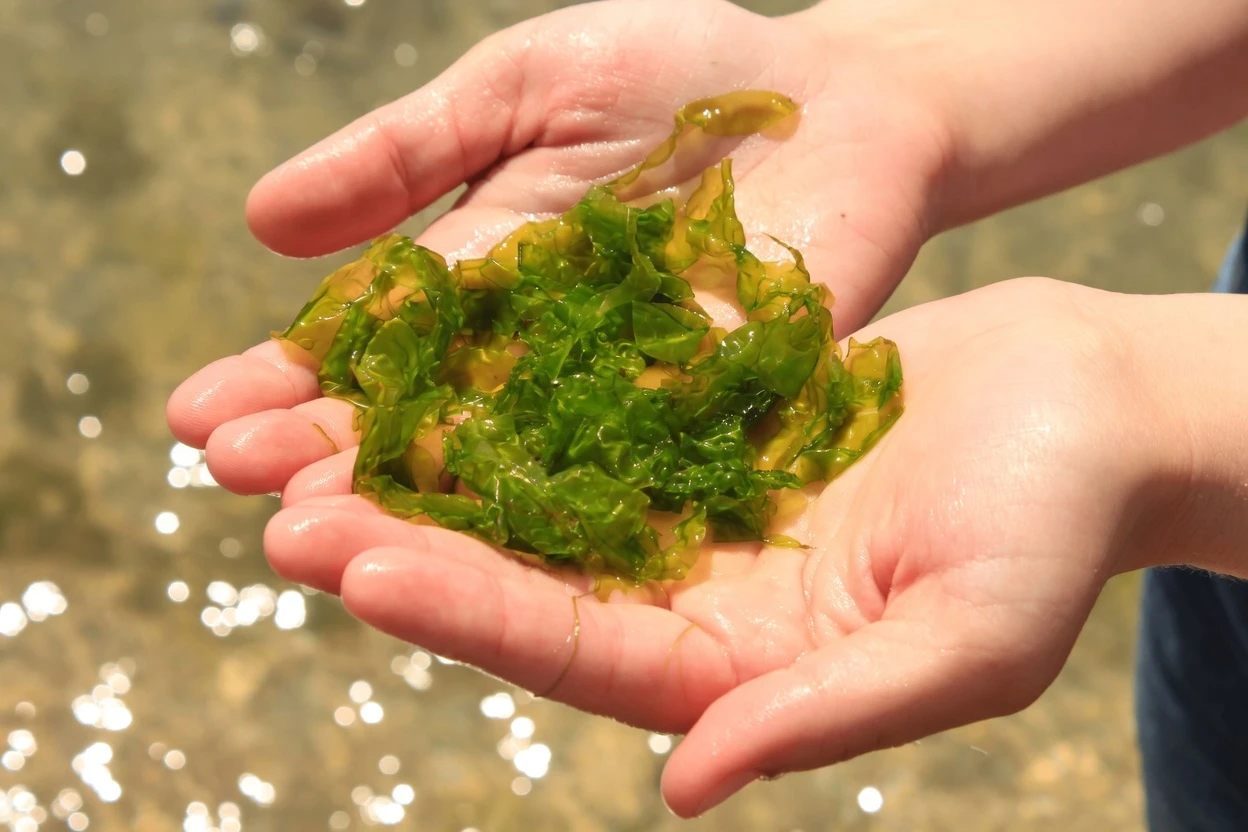
- Seaweeds (kombu, wakame, mozuku): mineral-rich, high in fiber, and often used in soups and side dishes for nutrient density

Because these foods are nutrient-dense yet relatively light, they naturally support hara hachi bu.
Tea Culture and Gentle Morning Routines Instead of Snacking
Rather than grazing throughout the day, many centenarians regularly drank green tea, jasmine tea, or herbal teas, which supports hydration and can reduce the urge to snack—helping maintain a longer fasting window.
Dr. Hinohara’s morning routine is often cited as an example of a gentle start: he reportedly began with vegetable juice (such as carrot) mixed with a spoonful of olive oil, then waited about 30 minutes before eating a light meal. This kind of approach may provide nutrients without an abrupt shift into heavy eating.
Why These Longevity Habits Are Fading—and Why It Matters
As Okinawan diets became more Westernized—more processed foods, more sugary snacks, and more frequent eating—health trends shifted. The message is straightforward: everyday choices are modifiable, and their impact can be large even across a single generation.
A Practical Okinawan-Inspired Daily Blueprint
Below is an easy structure based on traditional patterns, adapted for modern life:
-
Evening (around 6–7 p.m.)
- Focus on vegetables and whole foods
- Stop at about 80% full
-
Evening to morning
- Keep a 14–16 hour food-free window
- Drink water or unsweetened tea if needed
-
Late morning (around 10–11 a.m.)
- Start lightly (vegetable-forward)
- Consider a gentle routine before a full meal
-
Midday meal
- Balanced plate: protein + vegetables + mindful portions
-
Afternoon
- Choose tea/water between activities
- Avoid default snacking
Start small for better consistency: try hara hachi bu at one meal per day, or extend your overnight break by just 30 minutes.
Real-World Motivation: What People Commonly Notice
People who adopt similar patterns often report steadier energy and a more “balanced” feeling through the day. Results differ by individual and depend on the full lifestyle picture—sleep, stress, physical activity, and overall food quality still matter.
A Simple 30-Day Challenge to Try Okinawan-Style Habits
- Week 1: Use hara hachi bu at every meal
- Week 2: Add 1 hour to your overnight fasting window
- Week 3: Include one Okinawan-inspired food (sweet potato, seaweed, or bitter melon)
- Week 4: Build a gentle morning ritual (tea, light vegetable-based start)
Track what changes: energy stability, cravings, sleep, and how you feel after meals.
Final Thoughts: Small, Consistent Shifts Can Add Up
Okinawan-inspired longevity habits focus on less frequent eating, nutrient-rich foods, and mindful portion sizes. Rather than relying on deprivation, these routines encourage moderation that may support natural processes like autophagy.
Prioritize consistency over perfection. If you want one easy starting point, try finishing dinner earlier tonight.

This article is for informational purposes only and does not provide medical advice. Speak with a qualified healthcare professional before changing your diet or fasting routine—especially if you have a medical condition or take medications.
FAQ
-
What does “hara hachi bu” mean?
It’s a traditional Okinawan guideline: eat until you’re about 80% full. The goal is mindful portion control, which may support metabolic health. -
How long should an overnight fast be to support autophagy?
Many studies discuss 12–16 hours as a helpful range, but individual needs vary. Increase fasting time gradually and pay attention to how you feel. -
Are these habits safe for everyone?
These routines emphasize moderation, but people with specific medical needs—such as diabetes, pregnancy, eating disorder history, or medication timing requirements—should get professional guidance first.