If you’re exhausted from checking blood pressure readings again and again, noticing a tight feeling in your chest on high-stress days, or thinking about long-term heart health while managing a packed schedule, you’re in good company. High blood pressure often rises quietly, and it’s frequently connected to diet choices, high sodium intake, and chronic low-grade inflammation.
The toughest part is the feeling that you’re doing “all the right things,” yet progress seems slow. Here’s the encouraging news: an inexpensive, everyday vegetable you may have underestimated can play a helpful supporting role in a heart-healthy routine. Celery—often written off as just a low-calorie snack—contains compounds and minerals that research links to cardiovascular wellness. Later in this article, you’ll also find a simple daily habit many people use to feel lighter and more balanced.

Why Celery Belongs in a Heart-Healthy Diet
Celery looks simple, but it’s surprisingly valuable for hydration. At roughly 95% water, it can help support overall fluid balance—an important factor for circulation and general cardiovascular function.
It also offers nutrients without adding much energy to your day, making it a practical choice if you’re trying to manage weight while eating for heart health.
What makes celery especially interesting for healthy blood pressure support is its unique plant chemistry. Research highlights natural compounds such as phthalides and flavonoids, which may encourage blood vessels to relax and support smoother blood flow. Celery is also a source of potassium, a mineral known for helping counter the effects of high sodium intake—another key element in blood pressure management.
How Celery May Help Support Healthy Blood Pressure
Multiple scientific reviews—including systematic reviews and meta-analyses that evaluate randomized controlled trials—suggest that celery (and certain celery preparations) can positively influence blood pressure measures.
Across studies, reductions in systolic (top number) and diastolic (bottom number) readings have been observed, with stronger effects sometimes reported when using celery seeds or higher-dose preparations.
Two notable components often discussed in the research include:
- 3-n-butylphthalide (3nB): Found in celery (especially seeds), this compound has demonstrated vasodilatory potential, meaning it may help widen blood vessels in lab research and small human studies.
- Apigenin: A flavonoid present in celery that may support vascular health by helping reduce inflammation in blood vessel tissues, indirectly aiding pressure regulation.
Key takeaways from supportive evidence include:
- Meta-analyses of randomized trials associate celery intake with lower systolic and diastolic blood pressure.
- Celery seed extract at doses above 1,000 mg/day has sometimes produced more noticeable changes in subgroup analyses.
- Smaller clinical studies have reported average drops in readings with consistent use, often without major side-effect differences compared with placebo.
Results can vary depending on baseline blood pressure, overall diet, sodium intake, stress, sleep, and medication use. Celery is best viewed as a supportive tool within broader heart-healthy habits—not a replacement for medical care.

More Than Blood Pressure: Additional Benefits of Celery
Celery isn’t only about circulation. Its antioxidants may help reduce oxidative stress, which is involved in many chronic health concerns.
Potential additional perks include:
- Healthier-looking skin: The high water content plus vitamin C can support hydration and collagen-related processes, while antioxidants help combat free radicals.
- Kidney-friendly support: Celery is often described as a gentle, natural diuretic, which may help the body move excess fluid when paired with adequate hydration.
- Liver and pancreas protection (early evidence): Preliminary research suggests certain phytochemicals may help protect these organs from stress-related damage.
This broader “whole-body” profile is one reason celery fits easily into many wellness routines.
Simple, Practical Ways to Eat More Celery (Daily Tips)
You don’t need a drastic diet overhaul to use celery consistently. Try one or more of these easy options:
- Snack on fresh stalks
- Aim for about 4 stalks per day
- Eat them plain, dip in hummus, or slice into salads for crunch and fiber
- Make celery juice (a common daily habit)
- Wash 1 bunch (about 8–10 stalks)
- Juice and drink it fresh in the morning, ideally on an empty stomach
- Consume within 30 minutes for better nutrient retention
- If you’re new to it, start with half a serving and assess tolerance
- Use celery seeds as a seasoning
- Sprinkle celery seeds into soups, stir-fries, salad dressings, or roasted vegetables
- Seeds may deliver a more concentrated form of certain beneficial compounds
- Pair it strategically
- Combine celery with other potassium-rich foods (such as spinach or bananas) to support electrolyte balance
Consistency beats perfection. Start small, make it easy, and build the habit over time.
Celery vs. Other Vegetables for Heart Support
Many vegetables can support cardiovascular health, but they work in different ways:
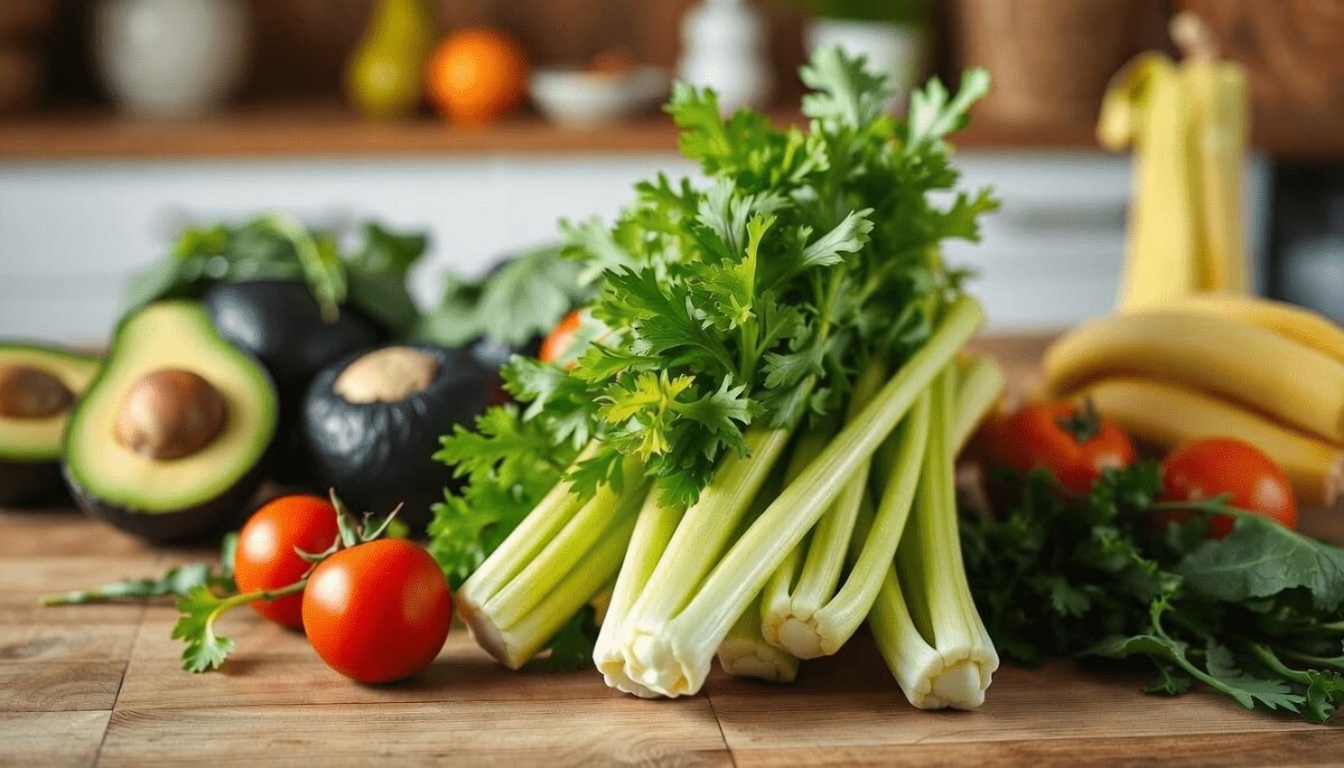
- Celery: Very high water content, potassium support, low sodium, and phthalides linked to vessel relaxation
- Spinach: A strong source of magnesium, though typically less associated with diuretic effects
- Beets: Known for nitrates that support blood flow, but contain more natural sugars
- Garlic: Contains allicin with blood-pressure-supportive potential, though the flavor is stronger and more pungent
Celery stands out for being mild, affordable, widely available, and easy to add to meals.
Final Thoughts: A Low-Effort Step Toward Better Balance
Celery won’t “cure” high blood pressure, but its mix of potassium, antioxidants, and unique plant compounds makes it a smart, low-friction addition to a heart-supportive lifestyle. When eaten regularly as part of a balanced diet (especially one lower in ultra-processed foods) and combined with movement, stress management, and quality sleep, celery can contribute to feeling steadier and more energized.
The best part: it’s simple, budget-friendly, and easy to enjoy once it becomes routine.
FAQ
Does celery juice actually help with blood pressure?
Early and limited research suggests it may help support healthier readings, especially with fresh juice or standardized extracts. It should be considered supportive, not a standalone solution—follow medical guidance for diagnosis and treatment.
How much celery should I eat for potential benefits?
Common practical targets include around 4 stalks per day or an equivalent amount as juice or extract, reflecting amounts often discussed in research contexts. Start gradually and pay attention to how your body responds.
Is celery safe for everyone?
Celery is generally safe as a food. If you take blood pressure medication, speak with your healthcare provider first, since celery (especially concentrated forms like extracts) may amplify effects for some people. Allergies are uncommon but possible.
Disclaimer
This article is for informational purposes only and does not provide medical advice. Celery may support healthy blood pressure as part of a balanced diet, but it is not a substitute for professional medical care or prescribed medication. Always consult your healthcare provider before making dietary changes, especially if you have health conditions or take medications.